
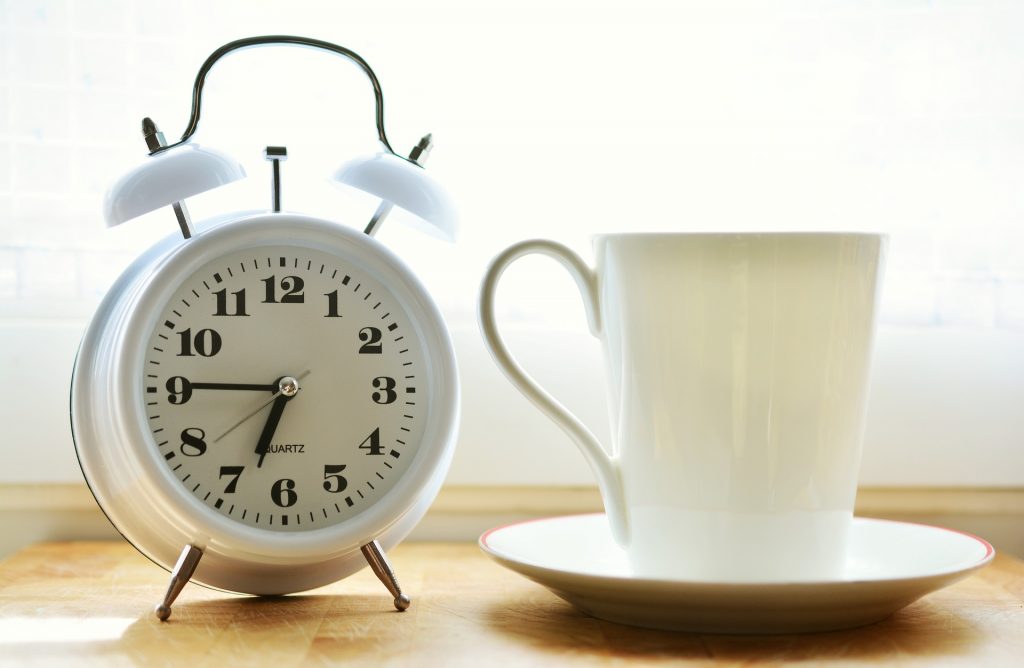
Last week we changed the clocks to Daylight Savings Time. Between Thursday night and Friday morning we will all “lost “ an hour of sleep.
Why do we make this clock change and how does it affect your health?
The main purpose of Daylight Saving Time ( or “Summer Time” here in Israel) is to make better use of daylight. We change our clocks during the summer months to move an hour of daylight from the morning to the evening.
Experts claim that moving an hour of daylight from the morning to the evening can save energy. But others maintain that the primary reason that Daylight Saving Time is a part of many societies is simply because people like to enjoy long summer evenings.
DST began around 100 years ago during WWII when Austria and Germany established the clock change to conserve energy.
Although modern DST has only been used for about 100 years, ancient civilizations are thought to have engaged in comparable practices thousands of years ago. For example, the Roman water clocks used different scales for different months of the year to adjust the daily schedules to the solar time.
Having more daylight in the evening actually prevents fatalities from car accidents around dusk and can also help improve seasonal affective disorder (SAD) – or winter blues.
On the other hand DST can be difficult for “late starters” – people who like to wake up later in the morning – so many teenagers have trouble adjusting.
The switch to DST does affect your natural circadian rhythm – because you are exposed to less morning light and more evening light.
In fact – switching to DST can be a potential risk to your health.
During the week after the shift to DST, research shows an associated rise in:
Cardiovascular disease, with a 24% higher risk of heart attacks, and 8% rise in strokes
Injuries, including a 6% spike in fatal car accidents
Mental health and cognitive issues, with an 11% spike in depressive episodes
But do not fear!
You can protect your circadian rhythm leading up to and during DST by:
Keeping a sleep routine: Aim for seven to nine hours of sleep each night. The night before DST starts, go to bed one hour earlier than normal to prepare.
Chasing the morning light: For one to two days leading up to the switch to DST, get outside in the morning. More natural morning light can help preserve your circadian rhythm. Throughout DST, spend as much time outside in the mornings as you can.
Eliminating sleep disturbances: Avoid excess amounts of caffeine, alcohol and blue light exposure one to two hours before bedtime.
Exercising in the morning: Activity raises your body temperature, which can increase your wakefulness and help reset your internal clock.
So get ready to spring forward – in the healthiest way possible!
