
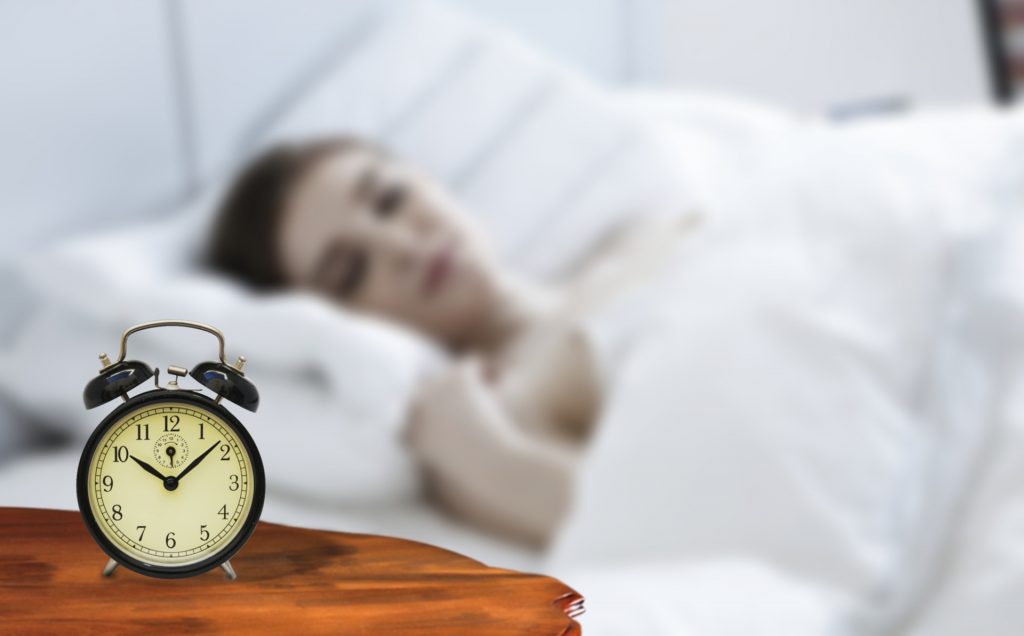
You have an internal clock. Whether you are a punctual person or are perpetually running late, your internal clock is always running.
This internal clock together with your circadian rhythm are connected to nearly every process in your body.
What is this circadian rhythm and how does it affect your health?
Your circadian rhythm is essentially your body’s own natural cycle of physical, mental, and behavioral changes that your body experiences over a 24 hour period.
These cycles are controlled by the hypothalamus and are mostly affected by light and darkness.
These cycles are connected to sleep, body temperature, hormones, appetite and other important bodily functions.
The study of circadian rhythms is called chronobiology.
Your biological clock is your own timing device that regulates the cycle of circadian rhythms.
Surprisingly nearly every organ and tissue in your body contain biological clocks – and nearly every tissue has specific times of the day associated with specific functions.
For example – there are times of the day when certain hormones are higher, when digestive function is stronger, when insulin activity is more effective.
To achieve optimum health it is essential to honor these rhythms.
While there are obviously individual expressions of these cycles – there are some fundamental rules that researchers have noticed about these cycles.
Humans are meant to be active during daylight and asleep during the night.
When you do things that disrupt this light and dark, day and night cycle you disrupt your circadian rhythm.
What kinds of things cause circadian disruption?
Anything that causes the natural light-dark cycle to be out of sync such as:
Jet lag
Shift work
Light from electronic devices at night (they confuse your biological clock)
Staying up until the wee hours of the morning
Sleeping a lot during the day
Circadian disruption doesn’t just make you tired, it can affect your digestion, weight, hormones, and even your mental health. Studies show that circadian disruption can lead to metabolic issues, cardio-vascular issues, and brain issues.
In 2017, researchers won the prestigious Nobel Prize for circadian rhythms research. The scientists isolated a gene that produces a protein that builds up in cells overnight, then breaks down during the day. This process can affect when you sleep, how sharply your brain functions, and more.
How can you maintain a healthy circadian rhythm?
It’s simple – by honoring the light-dark cycles.
Create a set bedtime that allows you to go to sleep at night and wake up with the light in the morning. Find the specific times that work best for your body.
Limit screens, alcohol, caffeine, and food before bedtime
This will not only improve your sleep, but can perhaps protect your heart and your brain.
