
I’m about to shatter an accepted nutrition myth.
When it comes to creating vibrant health fat rules.
At some point in my upbringing (after years of enjoying chicken skin) I was taught to limit fat, and look for low-fat versions of foods..
Suddenly butter was bad, egg yolks were bad, and we were never allowed to eat the chicken skin.
But the truth is – that advice is misguided.
Your body needs fat to survive and thrive.
Fat is a major source of energy in your body. It is also a major building block in your body. It is needed to build cell membranes and the sheath around your nerves. It is essential for blood clotting, muscle movement, and an appropriate inflammatory response.
In fact aiming for 30% of your calories from fat is a healthy goal for most people.
Fat should be eaten at every meal. Fat can:
Create a feeling of fullness
Counteract the effect of sugary foods by slowing down the sugar rise
Help your body absorb the fat soluble vitamins A,D,E,K
The real question is – what fat should you choose?
The answer to this is more complicated. There are many different opinions.
When I was growing up the reigning advice was to avoid or reduce animal fats (don’t eat butter; eat low-fat dairy, avoid red meat) and replace them with vegetable sourced fats (margarine and canola oil)
Unfortunately this advice is also misguided.
Unsaturated fats, like those found in vegetable oils, go rancid easily when exposed to light, heat, and air and can cause inflammation in your body.
Trans fats are created via partial hydrogenation by taking liquid vegetable oil and converting it into a solid – like margarine and non-dairy whip. These oils are used in processed foods and snacks to extend the product’s shelf life. But unfortunately these trans fats don’t extend your life.
Trans fats are linked to diabetes, cardiovascular disease and inflammation.
So what’s a person to do?
One simple way to choose fat is to stick with finding fats in whole foods.
Examples of whole foods containing fats are:
Animal protein (best from grass fed animals if possible), fish
Dairy fat: butter, cream, whole milk
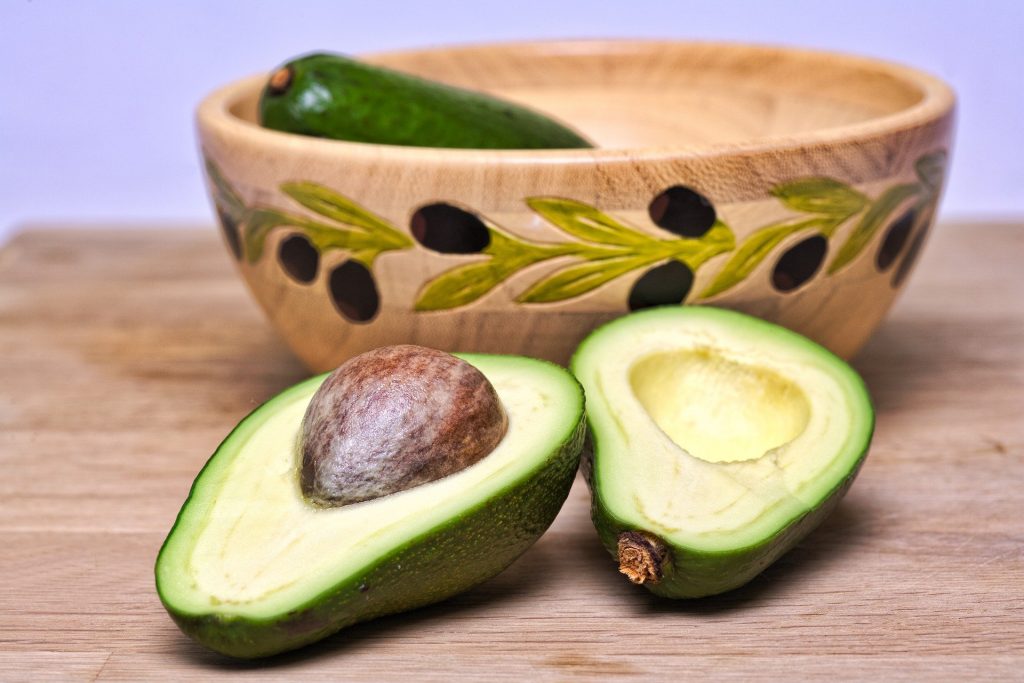
Plant fat: nuts, seeds (including techina), olives, avocados and any unprocessed oils derived from these foods – preferably cold pressed and stored in dark glass bottles.
Next week we’ll take a deep dive into another area of fat – the essential fatty acids and discover what’s so great about omega 3.
