
Flu season is definitely here.
Many of my clients and friends are struggling with flu symptoms.
And while the flu may pack less of an emotional punch than Covid-19, it can still be exhausting.
I want to share with you some of my favorite home remedies for colds and flu. These are all great preventatives and treatments for the common cold and flu.
Stop eating sugar! Sugar lowers your immune response and puts your body into an inflammatory mode.
Eat foods that are warm and simple to digest. My family favorites are chicken soup and rice but any soup is warming, nourishing, and easy to digest.
Eat immune boosting foods like garlic and fresh ginger
Get enough sleep! Sleeping enough hours at night helps boost your immune response.
Take herbs like echinacea to support your immune system
Try these supplements for their immune boosting effect:
Vitamin D
Vitamin C
Zinc picolinate
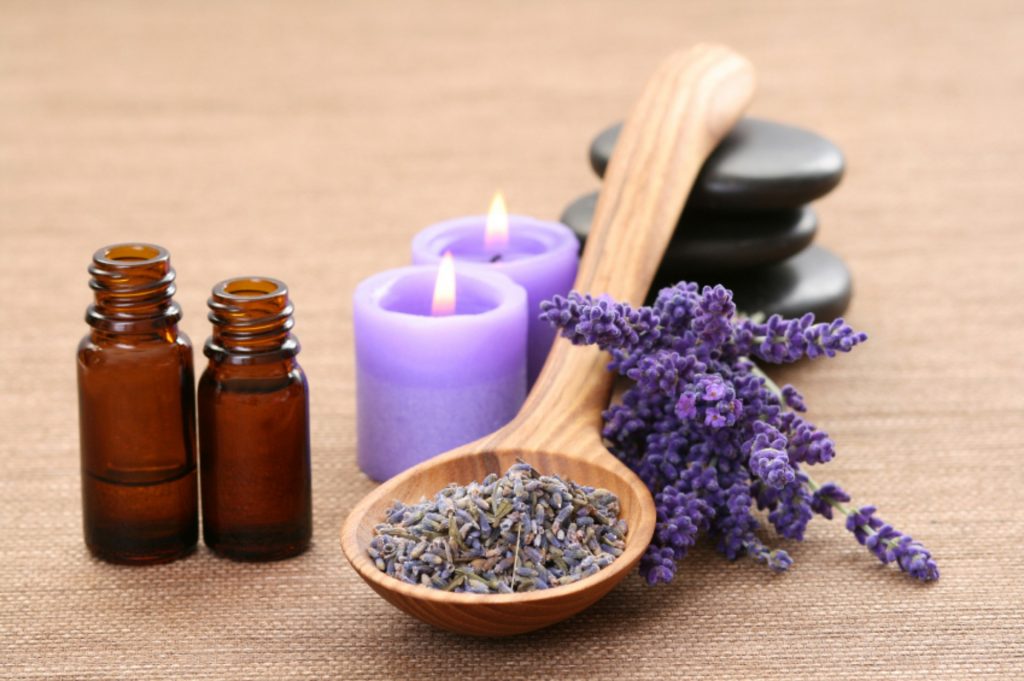
Finally – try one of my favorite home remedies: aromatherapy.
What exactly is aromatherapy?
Aromatherapy involves using the very concentrated natural extracts from flowers, plants and the like. These extracts are called essential oils.
While the process of distilling these oils has been around for centuries, the actual term aromatherapy was coined by a French chemist in 1937 who inadvertently discovered how potent these oils can actually be. The story goes that after accidentally burning himself in his lab Dr. René-Maurice Gattefossé plunged his burnt arm into the nearest liquid – which was lavender oil. To his great surprise – his arm healed super quickly with no scarring.
Aromatherapy relies on the quick delivery of scent molecules via the nose to the brain and it is super effective for issues involving mood and pain. (There are lots of randomized controlled trials that prove this)
Essential oils can also fight infection. I learned this back in my microbiology lab 25 years ago. We were experimenting with anti-bacterials like diluted bleach and I decided to experiment with some essential oils and some other things like garlic and lemon.
After allowing the bacteria time to grow in the petri dishes treated with each of the above mentioned substances – I went to check my petri dishes. The bleach solution strongly inhibited the growth of bacteria. There was no bacteria on the half of the dish where we painted the solution. No surprise there.
The garlic and the lemon weakly inhibited the bacterial growth – no bacteria directly under them, but there was bacteria growing near them.
But when I checked the essential oil petri dish (I used thyme and tea tree) I was really surprised! The essential oils inhibited the bacterial growth better than the bleach solution!
Now you might argue that it’s unfair to compare concentrated essential oil to diluted bleach – and that’s a fair point.
The take home message for me was that essential oils work.
And 25 years later I’m still using them in my home and clinic.
My favorite blend for upper respiratory issues is the Doterra brand’s blend called Air.
You can use it in a room diffuser, steam yourself with it, or dilute it into a carrier oil and massage it on your neck and chest.
When I feel just a hint of a cold or congestion coming on I rub myself with the diluted oil before bed and wake up as good as new in the morning.
For more info about how to use this oil effectively, or to get already diluted massage oil for yourself and family to use this season feel free to contact me.
